When planning a trip to the holy city, many travelers focus on securing a comfortable Hotel in Makkah, but the culinary journey of the city is equally unforgettable.
Makkah is not only a spiritual hub but also a vibrant culinary destination that offers a rich variety of traditional foods. From aromatic spices to mouth-watering sweets, the food culture in Makkah reflects the deep history and traditions of the region.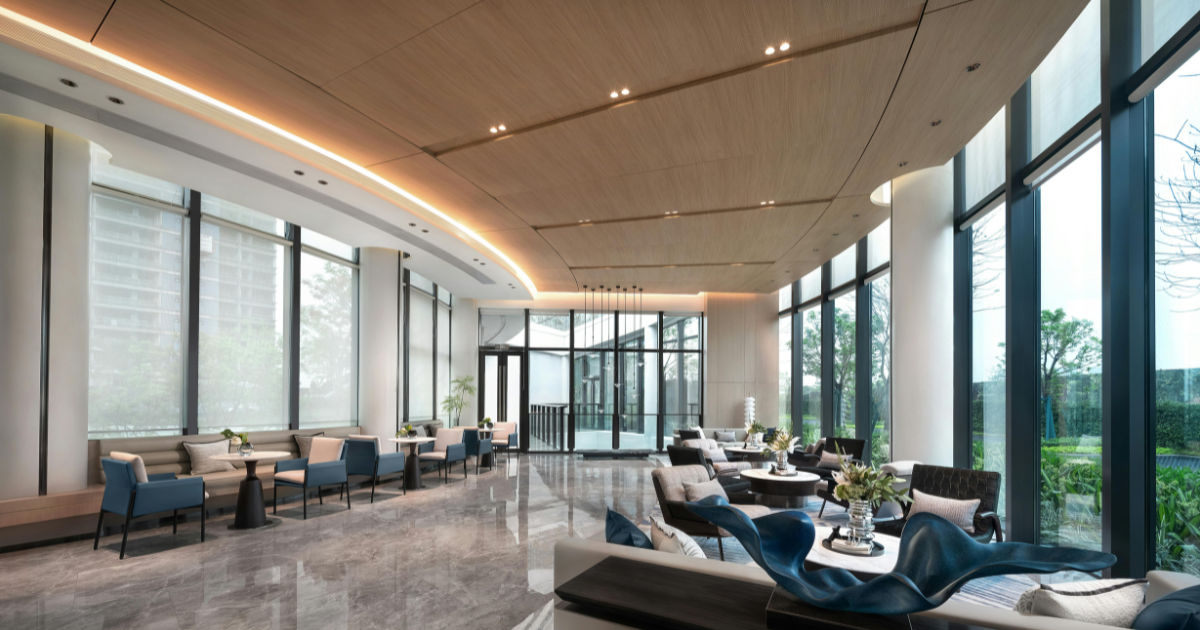
Exploring local foods gives visitors a taste of authentic Saudi Arabian flavors and customs. Whether you are on a short visit or a longer stay, sampling traditional dishes is a must.
This guide will introduce you to the most popular foods, street snacks, beverages, and desserts that you can enjoy while staying at a Hotel in Makkah.
Traditional Makkah Breakfast Delights
Breakfast in Makkah is an essential part of daily life and is often rich in flavor and texture. Many hotels provide traditional breakfast spreads for their guests, but local markets offer a more authentic experience.
Ful Medames
One of the most popular breakfast items is Ful Medames. This dish is made from fava beans cooked slowly with garlic, olive oil, and lemon juice. It is usually served with fresh bread, and sometimes topped with eggs or tomatoes. Ful Medames is not only hearty but also very nutritious, providing a good start for the day.
Balaleet
Balaleet is a traditional sweet and savory breakfast dish, especially popular in Makkah. It consists of vermicelli cooked with sugar, cardamom, and saffron, often served with an omelet on top. This unique combination of sweet and savory flavors makes it a favorite among locals and visitors alike.
Bread and Pastries
Freshly baked bread, like Khubz and Samoon, is widely available in Makkah. These breads are often eaten with cheese, honey, or date paste. Pastries stuffed with meat or cheese, such as Fatayer, are also popular breakfast options.
Iconic Makkah Main Courses
Makkah’s main meals reflect the city’s historical position as a pilgrimage hub, where foods from various regions blend into a unique culinary culture.
Kabsa
Kabsa is a traditional Saudi rice dish, often served during large family gatherings or special occasions. It is made with long-grain rice, meat (usually lamb, chicken, or camel), and a mix of spices including cloves, cinnamon, and cardamom. Kabsa is aromatic and often served with roasted nuts or raisins.
Mandi
Mandi is another iconic rice and meat dish, similar to Kabsa but cooked differently. The meat is slow-cooked in a tandoor or underground pit, giving it a smoky flavor. It is then mixed with spiced rice and garnished with nuts. Mandi is particularly popular among pilgrims and is served in many Hotel in Makkah dining areas.
Harees
Harees is a traditional dish made of wheat and meat, cooked slowly until it reaches a porridge-like consistency. It is seasoned lightly with salt and sometimes garnished with cinnamon or ghee. Harees is especially popular during Ramadan and religious events in Makkah.
Jareesh
Jareesh is a classic dish made from crushed wheat, cooked with meat or chicken. It has a hearty texture and is often flavored with local spices. The dish is both filling and comforting, making it a staple for locals.
Street Foods and Snacks in Makkah
Makkah is filled with bustling markets, or souks, where visitors can find delicious street foods and snacks. Sampling street food is a great way to experience the local culture and flavors.
Shawarma
Shawarma is a popular Middle Eastern wrap made with marinated meat, usually chicken or lamb, cooked on a vertical rotisserie. It is served with fresh vegetables, sauces, and flatbread. Shawarma stalls are common in Makkah, and the aroma draws both locals and tourists.
Sambusas
Sambusas are fried or baked triangular pastries stuffed with meat, vegetables, or cheese. They are especially popular during Ramadan, often eaten as a snack or appetizer. The crispy exterior and flavorful filling make Sambusas a must-try snack.
Falafel
Falafel, made from ground chickpeas or fava beans, is seasoned with herbs and spices, then deep-fried into crispy balls. Served with tahini sauce or pickles, falafel is a vegetarian favorite among locals and visitors alike.
Dates and Nuts
Makkah is famous for its high-quality dates. Dates are often sold in large quantities in local markets, sometimes stuffed with nuts or coated in chocolate. Combined with almonds, pistachios, and other nuts, dates are a staple snack for both residents and pilgrims.
Traditional Beverages in Makkah
No meal in Makkah is complete without traditional beverages that reflect the city’s rich culture.
Qahwa (Arabic Coffee)
Arabic coffee, known as Qahwa, is a symbol of hospitality in Makkah. It is lightly roasted, spiced with cardamom, and served in small cups without handles. Qahwa is often accompanied by dates and is a common offering to guests in homes and hotels.
Tea with Mint
Tea is also widely consumed, often prepared with fresh mint and sugar. Mint tea is refreshing and complements both sweet and savory dishes. Visitors often enjoy this beverage while relaxing in local cafes or hotel lounges.
Laban (Yogurt Drink)
Laban is a fermented yogurt drink, slightly salty and served chilled. It is particularly popular during hot months as it helps in cooling the body and aiding digestion.
Makkah’s Famous Sweets and Desserts
Makkah is known for its rich array of desserts that cater to every sweet tooth. Many of these sweets have been part of the city’s culture for centuries.
Maamoul
Maamoul are shortbread cookies filled with dates, nuts, or figs. They are especially popular during religious holidays and are often shared among families and visitors.
Kunafa
Kunafa is a dessert made of shredded pastry soaked in sweet syrup and layered with cheese or cream. The texture is crispy on the outside and soft inside, creating a delightful contrast in every bite.
Basbousa
Basbousa is a semolina cake soaked in sugar syrup and sometimes topped with almonds or coconut. It is moist, sweet, and commonly found in markets and bakeries around Makkah.
Halwa
Halwa is a dense, sweet confection made from sugar, butter, and sometimes nuts. There are many variations, including sesame-based Halwa and date-based Halwa, each with a unique flavor.
Dining Experience in Makkah
While local markets and street vendors provide a glimpse into authentic flavors, dining at a Hotel in Makkah often combines comfort with traditional tastes. Many hotels offer buffet-style meals featuring Kabsa, Mandi, and Harees, ensuring guests experience authentic flavors without leaving the hotel premises.
Hotels often cater to pilgrims’ schedules, offering early breakfasts and late dinners. The ambiance in hotel dining areas typically combines modern facilities with traditional Arabian décor, enhancing the cultural experience.
Tips for Enjoying Traditional Foods in Makkah
- Try Local Restaurants: Venture beyond your hotel to explore family-run restaurants and street stalls, which offer authentic flavors.
- Sample Different Dishes: Don’t limit yourself to one type of food. Makkah’s culinary scene is diverse, so try rice dishes, snacks, and desserts.
- Mind the Spice Levels: Traditional dishes are flavorful but can sometimes be spicy. Ask about spice levels if you have a sensitive palate.
- Respect Local Customs: Eating practices in Makkah may differ from your home country. For example, eating with the right hand is traditional.
- Stay Hydrated: The city can be hot, so drinking beverages like Laban or mint tea helps keep you refreshed.
Why Makkah’s Food is Unique
The uniqueness of Makkah’s food lies in its history and diversity. Being a pilgrimage city, Makkah has been a melting pot of cultures for centuries. Foods brought by travelers from Africa, Asia, and other parts of the Middle East influenced local dishes, creating a culinary heritage that is distinct to the city.
Moreover, ingredients like dates, wheat, lamb, and spices have been staples for centuries. Local recipes have been passed down through generations, preserving the flavors and methods that make traditional Makkah cuisine so special.
Conclusion
Makkah is much more than a spiritual destination; it is a city with a rich culinary heritage that every visitor should explore. From hearty breakfasts like Ful Medames and Balaleet to iconic main courses such as Kabsa, Mandi, and Harees, the city offers flavors that are both authentic and unforgettable. Street foods like Shawarma and Sambusas, along with traditional sweets like Maamoul, Kunafa, and Halwa, provide a diverse and satisfying gastronomic experience.
For travelers seeking both comfort and culture, staying at a Hotel in Makkah ensures access to delicious traditional meals while providing modern amenities. Sampling Makkah’s foods offers a window into the city’s history, traditions, and hospitality, making it an essential part of the pilgrimage experience.
Whether you are a first-time visitor or a returning pilgrim, Makkah’s culinary offerings provide not just nourishment, but also a deep connection to the city’s culture and heritage. The combination of rich flavors, traditional recipes, and welcoming dining experiences ensures that your journey to Makkah is memorable, both spiritually and gastronomically.