The Essentials tracksuit has become one of the most popular choices in modern streetwear, especially for people who want comfort without losing style. The Essentials tracksuit blends relaxed fashion with everyday practicality, making it a top pick for school, travel, lounging, and casual outings.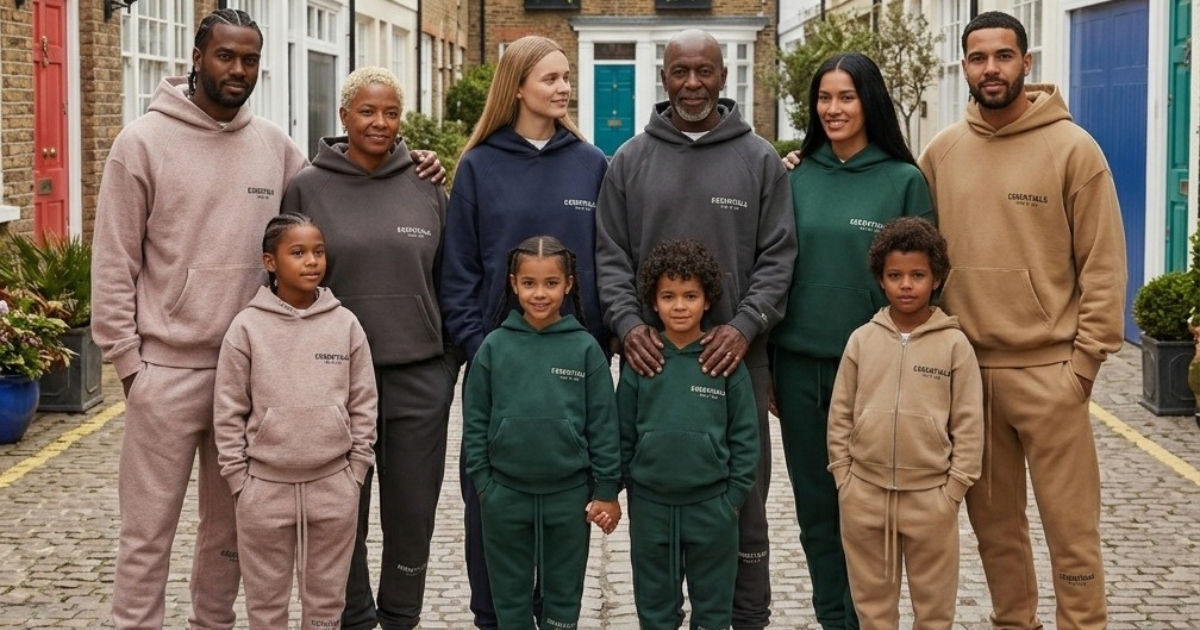
In this guide, you will learn how to style it, when to wear it, and how to make the most of this cozy streetwear trend. The Essentials tracksuit is more than just clothing—it is a fashion statement that fits almost every lifestyle.
This article will explore outfit ideas, layering tips, seasonal styling, and care instructions. Everything is explained in a simple way for easy understanding.
What Makes the Essentials Hoodie Tracksuit Special?
The Essentials tracksuit stands out because of its balance between comfort and street fashion. It is designed with soft fabric, relaxed fits, and neutral colors that match almost anything.
Comfort First Design
The hoodie is usually oversized, giving a cozy feel. The pants are loose but structured, allowing easy movement throughout the day. The Essentials tracksuit is perfect for long school days or relaxed weekends.
Minimalist Style
One of the strongest features of the Essentials tracksuit is its minimal branding. It avoids loud designs and focuses on clean aesthetics. This makes it easy to style with different outfits.
Everyday Versatility
You can wear the Essentials tracksuit at home, in public, while traveling, or even while running errands. It fits into almost every situation.
Cozy Streetwear Outfit Ideas
The Essentials tracksuit is popular because it works in many outfit combinations. Below are some simple and stylish ideas.
Casual Everyday Look
Pair your Essentials tracksuit with clean white sneakers. This creates a relaxed, everyday outfit that feels fresh and modern. You can also add a cap for extra street style.
Sporty Street Style
Wear the Essentials tracksuit with running shoes and a crossbody bag. This gives a sporty vibe that is perfect for school or outdoor activities.
Layered Urban Fit
Add a denim jacket or bomber jacket over your Essentials tracksuit hoodie. This adds depth and makes the outfit more fashionable for colder days.
Monochrome Style
Choose matching colors for your Essentials tracksuit, shoes, and accessories. A full black or beige outfit creates a clean streetwear look.
How to Style the Essentials Hoodie Tracksuit in Different Seasons
The Essentials tracksuit is flexible enough to be worn all year round. You just need to adjust your layers and accessories.
Summer Styling
In warmer months, wear the hoodie lightly or remove it completely and tie it around your shoulders. Pair your Essentials tracksuit pants with a simple t-shirt for a breathable outfit.
Winter Styling
During cold weather, layer the Essentials tracksuit with coats, puffers, or hooded jackets. Add gloves and beanies for extra warmth.
Spring and Autumn Looks
These seasons are perfect for the Essentials tracksuit because the weather is mild. You can wear it as a full set without heavy layering.
Footwear That Matches Essentials Hoodie Tracksuit
Shoes play a big role in completing your outfit. The Essentials tracksuit pairs well with many footwear options.
Sneakers
White sneakers are the most popular choice. They keep the look clean and stylish. Chunky sneakers also work well for a bold streetwear vibe.
Running Shoes
For comfort-focused outfits, running shoes are perfect with the Essentials tracksuit. They give a sporty and active appearance.
Boots
In colder seasons, boots can be paired with the Essentials tracksuit for a rugged and urban look.
Accessories to Elevate Your Look
Small details can make a big difference when styling the Essentials tracksuit.
Caps and Beanies
A cap adds a sporty touch, while a beanie gives a cozy winter feel. Both match well with the Essentials tracksuit.
Bags
Crossbody bags or small backpacks enhance the streetwear aesthetic. They also make your outfit more practical.
Sunglasses
Sunglasses add a cool and confident vibe, especially when wearing the Essentials tracksuit outdoors.
Layering Techniques for a Stylish Look
Layering is key to making your outfit stand out. The Essentials tracksuit is perfect for layering because of its simple design.
Hoodie Under Jackets
You can wear your Essentials tracksuit hoodie under a leather or denim jacket. This creates a stylish layered effect.
Oversized Coats
Long coats over the Essentials tracksuit give a premium streetwear look that is both comfortable and fashionable.
T-Shirt Base Layer
In warmer weather, wear a plain t-shirt under your hoodie and leave it slightly open for a relaxed style.
Streetwear Trends with Essentials Hoodie Tracksuit
Streetwear is always evolving, and the Essentials tracksuit remains a key part of modern fashion trends.
Neutral Colors Trend
Beige, grey, black, and cream colors are very popular in the Essentials tracksuit collection. These shades are easy to mix and match.
Oversized Fashion
Loose and oversized fits are trending. The Essentials tracksuit follows this trend perfectly with its relaxed design.
Minimal Branding
People prefer simple looks without loud logos. The Essentials tracksuit fits this trend with its clean design approach.
How to Care for Your Essentials Hoodie Tracksuit
Taking care of your Essentials tracksuit helps it last longer and stay looking fresh.
Washing Tips
Always wash your Essentials tracksuit in cold water to maintain fabric quality. Avoid harsh detergents.
Drying Method
Air drying is best. Avoid high heat drying because it can shrink or damage the fabric.
Storage
Fold your Essentials tracksuit neatly and store it in a clean, dry place to avoid wrinkles and odor.
Why the Essentials Hoodie Tracksuit Is So Popular
The Essentials tracksuit has gained massive popularity because it combines fashion and comfort in a simple way.
Influencer Impact
Many social media influencers wear the Essentials tracksuit, making it a trending item among young people.
Easy Styling
You do not need fashion experience to wear the Essentials tracksuit. It is simple, flexible, and always stylish.
Affordable Luxury Feel
While it looks premium, the Essentials tracksuit is still more affordable compared to high-end designer wear.
Common Mistakes to Avoid
Even though the Essentials tracksuit is easy to style, there are still some mistakes to avoid.
Over-Accessorizing
Too many accessories can ruin the clean look of the Essentials tracksuit. Keep it simple.
Wrong Shoe Choice
Avoid overly formal shoes. The Essentials tracksuit works best with casual footwear.
Poor Fit Selection
Choosing the wrong size can affect the overall style. The Essentials tracksuit should feel relaxed but not overly baggy.
Tips for a Perfect Streetwear Look
To make the most out of your Essentials tracksuit, follow these simple tips:
- Stick to neutral colors
- Keep outfits minimal
- Focus on clean sneakers
- Balance loose and fitted items
- Match accessories carefully
These tips help you build a strong streetwear identity using the Essentials tracksuit.
Conclusion
The Essentials tracksuit has become a modern fashion essential for anyone who values comfort and style. Its simple design, cozy fabric, and flexible styling options make it perfect for everyday wear. Whether you are dressing for school, travel, or casual outings, the Essentials tracksuit gives you a clean and confident look without effort.
From layering techniques to seasonal styling, this guide shows how versatile the Essentials tracksuit truly is. It fits into different lifestyles and fashion preferences while staying timeless and trendy. If you want a wardrobe piece that works in almost every situation, the Essentials tracksuit is one of the best choices in today’s streetwear culture.
As fashion continues to evolve, the Essentials tracksuit remains a strong symbol of comfort-driven style. It proves that simple clothing can still make a powerful statement when styled correctly.