Every year, thousands of vehicles reach the end of their useful life, but that does not mean every component is ready for disposal. Car wreckers play an important role in giving these vehicles a second life by carefully dismantling them and recovering valuable parts.
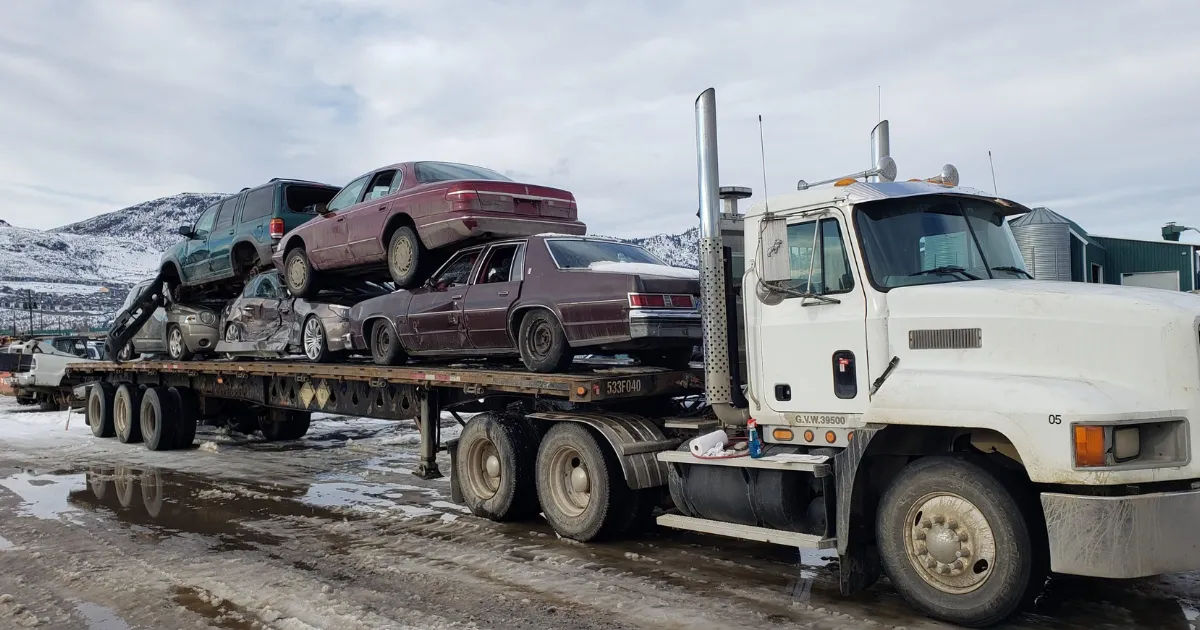
Instead of sending entire cars to landfills, reusable components are inspected, cleaned, tested, and sold for future use. This process helps reduce waste, conserves natural resources, and provides affordable replacement parts for vehicle owners.
As environmental awareness continues to grow, car wreckers are helping more people recognize the value of reusing dismantled car parts. From engines and transmissions to mirrors, wheels, and electronic components, many parts remain in excellent condition even after a vehicle is no longer roadworthy. Understanding how these parts are reused highlights the importance of responsible vehicle recycling and sustainable automotive practices.
What Are Dismantled Car Parts?
Dismantled car parts are components removed from vehicles that have been damaged, written off, or reached the end of their lifespan. Rather than crushing the entire vehicle, professionals carefully remove usable parts before recycling the remaining materials.
These parts may include:
- Engines
- Transmissions
- Alternators
- Starters
- Suspension components
- Doors and panels
- Headlights and taillights
- Seats and interior trim
- Wheels and tires
- Radiators
- Batteries
- Mirrors
- Electronic modules
Many of these components continue functioning perfectly and can be installed in another vehicle.
The Vehicle Dismantling Process
The process begins when an unwanted or damaged vehicle arrives at a dismantling facility. Skilled technicians inspect the vehicle to determine which parts can be salvaged safely.
First, hazardous fluids such as engine oil, coolant, brake fluid, transmission fluid, and fuel are drained. These materials are either recycled or disposed of according to environmental regulations.
Next, reusable components are carefully removed using specialized tools. Each part is inspected for wear, damage, and overall condition before being cleaned and prepared for storage.
Finally, the remaining metal shell is crushed and sent for recycling, where it becomes raw material for manufacturing new steel products.
Engine Reuse
One of the most valuable parts recovered from dismantled vehicles is the engine. Even when a car has been involved in an accident, its engine may still operate perfectly.
After removal, technicians inspect the engine for leaks, cracks, compression levels, and mechanical wear. If necessary, worn seals or minor components are replaced before the engine is resold.
Reusing engines helps drivers save money while reducing the need to manufacture new ones, which requires significant amounts of steel, aluminum, and energy.
Transmission Recovery
Transmissions are another major component commonly reused.
Manual and automatic transmissions undergo detailed inspections before being sold. Internal gears, bearings, and seals are checked to ensure reliable performance.
Replacing a faulty transmission with a quality used unit often costs much less than purchasing a brand-new replacement.
Electrical Components Find New Life
Modern vehicles contain dozens of electronic systems that remain functional long after the vehicle itself is retired.
Common reusable electrical parts include:
Alternators
Alternators generate electricity for the vehicle while charging the battery. A tested used alternator can provide years of reliable service.
Starter Motors
Starter motors often remain in excellent condition and can easily be installed in another compatible vehicle.
Electronic Control Modules
Many modern cars rely on computers to manage engine performance, braking systems, lighting, and safety features. These modules are carefully tested before resale.
Interior Parts Are Often Reused
Vehicle interiors contain many valuable components that experience minimal wear.
These include:
- Leather seats
- Cloth seats
- Dashboard assemblies
- Steering wheels
- Air vents
- Center consoles
- Door panels
- Seat belts
- Audio systems
Owners restoring older vehicles frequently purchase these parts because finding brand-new replacements may be difficult or expensive.
Exterior Components Are Highly Valuable
Accidents do not always damage every body panel. Many exterior parts remain perfectly usable.
Common reusable exterior components include:
Doors
Undamaged doors can be repainted and installed on another vehicle.
Bumpers
If structurally sound, bumpers can often be reused after minor cosmetic repairs.
Mirrors
Side mirrors are among the most commonly replaced vehicle parts, making quality used mirrors highly desirable.
Headlights and Taillights
Lighting assemblies are expensive when purchased new. Reusing original manufacturer lights provides excellent quality at a lower price.
Wheels and Tires Continue Serving Drivers
Many dismantled vehicles have wheels and tires with significant tread life remaining.
Technicians inspect tires for:
- Uneven wear
- Sidewall damage
- Punctures
- Tread depth
Safe tires are resold, while damaged tires are recycled into rubber products such as playground surfaces, athletic tracks, and construction materials.
Alloy wheels are also carefully inspected for bends or cracks before being sold.
Batteries Can Be Recycled or Reused
Vehicle batteries contain valuable materials including lead and plastic.
If a battery remains in good condition, it may be recharged, tested, and reused.
Batteries that cannot be reused are recycled. The lead, plastic casing, and acid are recovered and used to manufacture new batteries.
Battery recycling helps reduce environmental pollution while conserving natural resources.
Glass Components Are Salvaged
Windshields, rear windows, and side windows are sometimes removed if they remain undamaged.
Automotive glass can be:
- Reused in compatible vehicles
- Processed into recycled glass products
- Used in insulation materials
- Repurposed for construction applications
Proper handling prevents unnecessary waste.
Catalytic Converters Contain Valuable Metals
Catalytic converters contain precious metals such as platinum, palladium, and rhodium.
These metals are extracted during recycling and reused in manufacturing new catalytic converters and other industrial products.
Recovering these valuable materials reduces mining activities and conserves limited natural resources.
Metal Recycling Supports Sustainability
After reusable parts are removed, the remaining steel body is shredded and processed for recycling.
Steel from dismantled vehicles becomes raw material for manufacturing:
- New vehicles
- Construction materials
- Household appliances
- Industrial equipment
- Machinery
Steel recycling requires significantly less energy than producing steel from raw iron ore.
Benefits of Reusing Dismantled Car Parts
Reduces Waste
Every reusable component keeps materials out of landfills and extends the useful life of automotive products.
Conserves Natural Resources
Manufacturing new vehicle parts requires large amounts of raw materials including steel, aluminum, copper, plastic, and rubber.
Reusing existing parts reduces demand for these resources.
Saves Energy
Producing new automotive components consumes considerable energy.
Reusing quality parts lowers manufacturing requirements and reduces carbon emissions.
Provides Affordable Repairs
Used vehicle parts often cost much less than brand-new replacements.
This makes repairs more affordable for drivers while maintaining vehicle performance.
Supports the Circular Economy
Instead of discarding valuable materials after one use, dismantling promotes continuous reuse and recycling.
This creates a more sustainable automotive industry.
How Quality Is Ensured
Professional dismantling facilities carefully inspect every reusable component.
Testing may include:
- Visual inspections
- Functional testing
- Compression testing
- Leak detection
- Electrical testing
- Cleaning and refurbishment
Only components that meet quality standards are offered for resale.
This helps buyers purchase dependable replacement parts with greater confidence.
Environmental Impact
Vehicle dismantling significantly reduces environmental harm.
Benefits include:
- Lower landfill waste
- Reduced greenhouse gas emissions
- Less mining of raw materials
- Lower manufacturing energy consumption
- Increased recycling rates
- Safer disposal of hazardous fluids
These practices contribute to cleaner communities and more sustainable transportation.
Why More Drivers Choose Reused Parts
Many drivers now recognize that reused automotive components offer excellent value.
Original equipment manufacturer (OEM) parts removed from dismantled vehicles often fit better than some aftermarket alternatives.
They are designed specifically for the vehicle and usually require no modifications during installation.
Professional inspection also provides reassurance that the parts are safe and reliable.
As awareness of environmental responsibility continues to grow, choosing reused components has become an increasingly practical decision for both individuals and repair shops.
Conclusion
Dismantled car parts play a vital role in reducing waste, conserving valuable resources, and making vehicle repairs more affordable. Instead of viewing an old or damaged vehicle as useless, the automotive recycling industry recognizes the value hidden within its many reusable components. Engines, transmissions, electrical systems, interior features, body panels, wheels, batteries, and countless other parts can continue serving drivers long after the original vehicle has reached the end of its life.
Professional car wreckers carefully inspect, remove, clean, and test these components before making them available for reuse. This process supports environmental sustainability, reduces manufacturing demand, and helps create a circular economy where valuable materials remain in use for as long as possible. As the automotive industry continues moving toward greener practices, reusing dismantled car parts will remain an essential part of responsible vehicle ownership and environmental protection.