When it comes to modern construction and building design, Aluminum Composite Panels (ACP) have become a popular choice for architects and builders.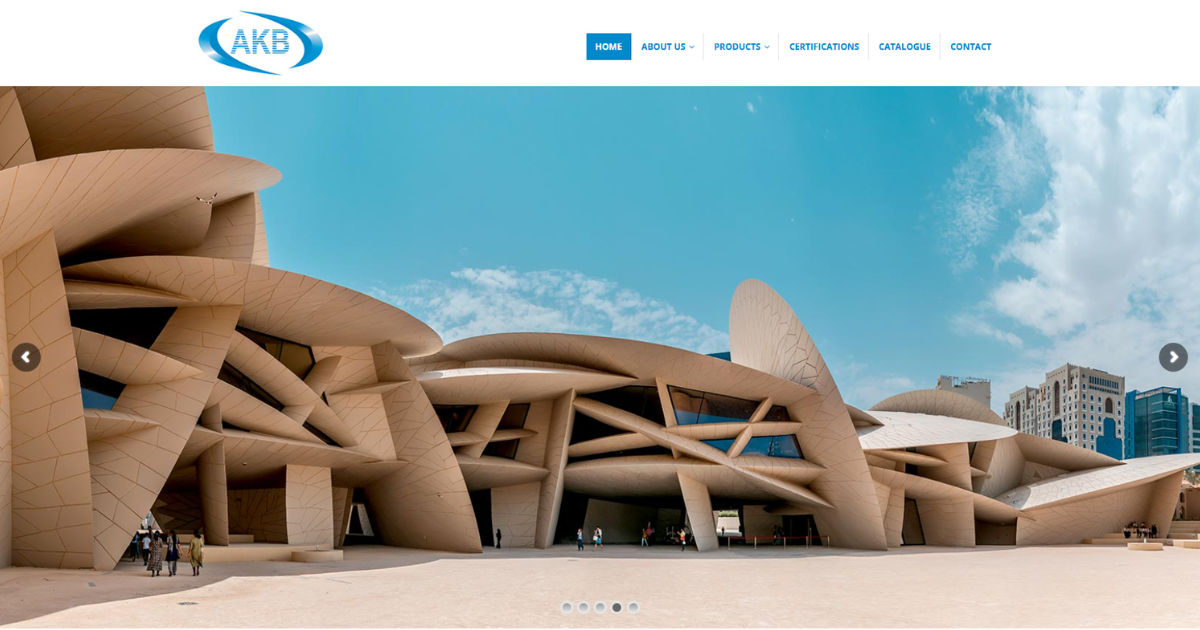
ACP sheets offer aesthetic appeal, durability, and flexibility. However, one critical aspect that every builder and homeowner should understand is the difference between fire-rated and non-fire-rated ACP.
At Akbari Engineering, we often get questions from clients about why choosing the right type of ACP matters for both safety and long-term performance.
In this comprehensive guide, we will break down the key differences, applications, advantages, and considerations when selecting fire or non-fire ACP for your projects.
What is ACP?
Before diving into the difference between fire and non-fire ACP, it is important to understand what ACP is.
ACP stands for Aluminum Composite Panel, which is a flat panel made of two thin layers of aluminum bonded to a non-aluminum core. These panels are lightweight yet strong, making them suitable for exterior and interior cladding, signage, and decorative applications.
The core material in ACP determines its properties, such as flexibility, durability, and fire resistance. This core can be made from polyethylene, mineral-filled materials, or other fire-retardant substances.
Fire-Rated ACP: Overview
Fire-rated ACP, also called FR-ACP, is designed to resist flames and prevent the rapid spread of fire. These panels are made using a fire-resistant core, typically composed of mineral-filled or specially treated materials, which reduces the risk of combustion.
Fire-rated ACP is tested according to international fire safety standards and building codes. Depending on the rating, these panels can resist fire for several minutes to an hour or more, giving occupants critical time to evacuate in case of emergencies.
Features of Fire-Rated ACP
- Fire Resistance: The primary feature is its ability to withstand flames without contributing to fire spread.
- Safety Compliance: Meets strict safety regulations for high-rise buildings and commercial complexes.
- Durability: Resistant to heat and thermal expansion, maintaining structural integrity under extreme conditions.
- Smoke Control: Designed to produce minimal smoke and toxic fumes compared to non-fire ACP.
Non-Fire ACP: Overview
Non-fire ACP, also known as standard ACP, is widely used for decorative and architectural purposes where fire risk is low. These panels generally have a polyethylene core, which is lightweight, flexible, and cost-effective but highly flammable.
Non-fire ACP is ideal for applications such as interior wall panels, signage, and low-rise buildings where fire hazards are minimal. However, using non-fire ACP in high-risk areas can pose serious safety concerns.
Features of Non-Fire ACP
- Lightweight: Easier to handle and install compared to fire-rated panels.
- Cost-Effective: Lower production costs make it more affordable for projects.
- Flexibility: Can be easily shaped and customized for aesthetic designs.
- Flammable: Polyethylene cores can ignite quickly and accelerate fire spread.
Key Differences Between Fire and Non-Fire ACP
Understanding the differences between these two types of ACP is crucial for making informed decisions. Here’s a clear comparison:
| Feature | Fire ACP | Non-Fire ACP |
|---|---|---|
| Core Material | Mineral-filled or fire-retardant | Polyethylene |
| Fire Resistance | High; prevents flame spread | Low; easily flammable |
| Smoke & Toxic Fumes | Minimal | High when ignited |
| Cost | Higher | Lower |
| Safety Rating | Complies with building codes | Not suitable for high-risk areas |
| Ideal Usage | High-rise buildings, commercial complexes | Interior decoration, signage, low-risk areas |
| Durability in Heat | High | Low |
This table clearly shows why fire-rated ACP is preferred in high-risk applications despite its higher cost.
Applications of Fire ACP
Fire ACP is commonly used in projects where fire safety is critical. Some typical applications include:
- High-Rise Buildings: Regulations often require fire-rated materials on façades and cladding.
- Commercial Complexes: Malls, offices, and hotels benefit from enhanced safety features.
- Hospitals and Schools: Ensures minimal fire risk to occupants.
- Public Spaces: Airports, railway stations, and government buildings.
At Akbari Engineering, we always emphasize the importance of compliance with fire safety codes when selecting ACP for such projects.
Applications of Non-Fire ACP
Non-fire ACP is widely used for aesthetic and decorative purposes where fire hazards are low. Examples include:
- Interior Wall Panels: Adds visual appeal in homes and offices.
- Signage and Billboards: Lightweight and easy to install.
- Small Retail Shops: Cost-effective solution for decoration.
- Low-Rise Buildings: Where building codes do not mandate fire-rated cladding.
While non-fire ACP is cheaper and flexible, it should not be used for exterior cladding on high-rise buildings due to fire safety concerns.
Why Fire ACP is Crucial for Safety
The use of fire-rated ACP can be life-saving. Here’s why it matters:
- Slows Fire Spread: In case of a fire outbreak, fire ACP slows down the spread, allowing more time for evacuation.
- Reduces Property Damage: Fire-resistant panels can help minimize damage to the building structure.
- Complies with Regulations: Many countries mandate fire-rated panels for buildings taller than a certain height.
- Protects Reputation: For businesses, using non-fire ACP can lead to legal issues and safety violations.
Akbari Engineering ensures that all projects involving high-rise or commercial construction prioritize fire ACP for safety and compliance.
Cost Considerations
One major factor when choosing between fire and non-fire ACP is cost.
- Fire ACP: Higher upfront cost due to fire-retardant materials and testing standards. However, this cost is justified by safety benefits and compliance.
- Non-Fire ACP: Cheaper and easier to install, making it ideal for low-risk, decorative applications.
While the cost difference is significant, it is important to consider long-term safety and potential liabilities. In many cases, spending a little more on fire ACP can prevent massive losses and even save lives.
Installation and Maintenance Differences
The installation process for both types of ACP is similar in terms of mounting and cutting. However, fire ACP may require:
- Professional Handling: Ensuring joints and edges maintain fire-resistant integrity.
- Special Adhesives or Fixings: Some fire ACP panels need heat-resistant fasteners.
- Regular Inspection: Periodic checks to maintain fire performance over time.
Non-fire ACP is easier to handle and does not require strict safety procedures but lacks the long-term protective benefits.
Common Myths About ACP
Myth 1: Non-Fire ACP is Safe if Coated
Some believe that painting or coating non-fire ACP makes it fireproof. This is false. Surface coatings cannot prevent fire spread in a polyethylene core. Only fire-rated ACP can ensure fire safety.
Myth 2: Fire ACP is Too Expensive for Small Projects
While fire ACP costs more, it is an investment in safety. For buildings above two or three stories, using fire ACP is often legally required.
Myth 3: Fire ACP Limits Design Choices
Modern fire ACP comes in various colors, textures, and finishes, making it just as versatile as non-fire ACP. Akbari Engineering ensures that aesthetics do not compromise safety.
Regulatory Standards for ACP
Different countries have standards and certifications for ACP, which help builders make informed decisions:
- ASTM E84 (USA): Measures flame spread and smoke development.
- EN 13501-1 (Europe): Classifies fire performance of construction materials.
- BS 476 (UK): Standard for fire safety of building materials.
Fire ACP is tested to comply with these standards, whereas non-fire ACP does not meet such criteria.
Choosing the Right ACP for Your Project
When deciding between fire and non-fire ACP, consider:
- Building Height: High-rise buildings almost always require fire-rated panels.
- Occupancy Type: Hospitals, schools, and offices benefit from fire ACP.
- Budget vs Safety: Weigh the cost against potential risk. Safety should always come first.
- Local Regulations: Always check building codes in your area.
- Aesthetic Needs: Both types offer similar design options.
Akbari Engineering works closely with clients to select the right type of ACP based on project requirements, budget, and safety standards.
Environmental Impact
Fire ACP may have a slightly higher environmental footprint due to mineral cores and processing. However, its fire safety benefits outweigh the impact.
Non-fire ACP is recyclable, but in a fire scenario, it can release toxic fumes, causing environmental and health hazards.
Maintenance Tips for ACP
Proper maintenance ensures longevity and safety of ACP panels:
- Regular Cleaning: Use mild detergent and water to clean surfaces. Avoid harsh chemicals.
- Inspect Joints and Edges: Ensure no gaps compromise fire resistance.
- Repair Damages Promptly: Cracks or dents in fire ACP can reduce its fire rating.
- Avoid Direct Heat: Keep non-fire ACP away from open flames.
Akbari Engineering provides guidance and maintenance services for both fire and non-fire ACP installations.
Conclusion
Understanding the difference between fire and non-fire ACP is essential for anyone involved in building construction, renovation, or interior design.
- Fire ACP is designed for safety, slows fire spread, reduces damage, and complies with regulatory standards. It is ideal for high-rise buildings, commercial complexes, and public spaces.
- Non-fire ACP is cost-effective, lightweight, and versatile, suitable for interior decoration, signage, and low-risk applications.
Choosing the right ACP not only ensures compliance with safety codes but also protects lives and property. Akbari Engineering emphasizes that safety should never be compromised for cost or convenience. With the right guidance, it is possible to achieve both aesthetic appeal and fire safety in your building projects.
When planning your next project, carefully evaluate the risks, regulations, and material specifications. Investing in fire-rated ACP is not just about compliance—it’s about responsibility, protection, and long-term peace of mind.