In today’s digital age, mobile verification has become an essential part of maintaining online security and personal accountability. With millions of people using mobile phones for banking, social media, and e-commerce, ensuring that each mobile number belongs to the right person is critical. This is where Sim Info comes into play.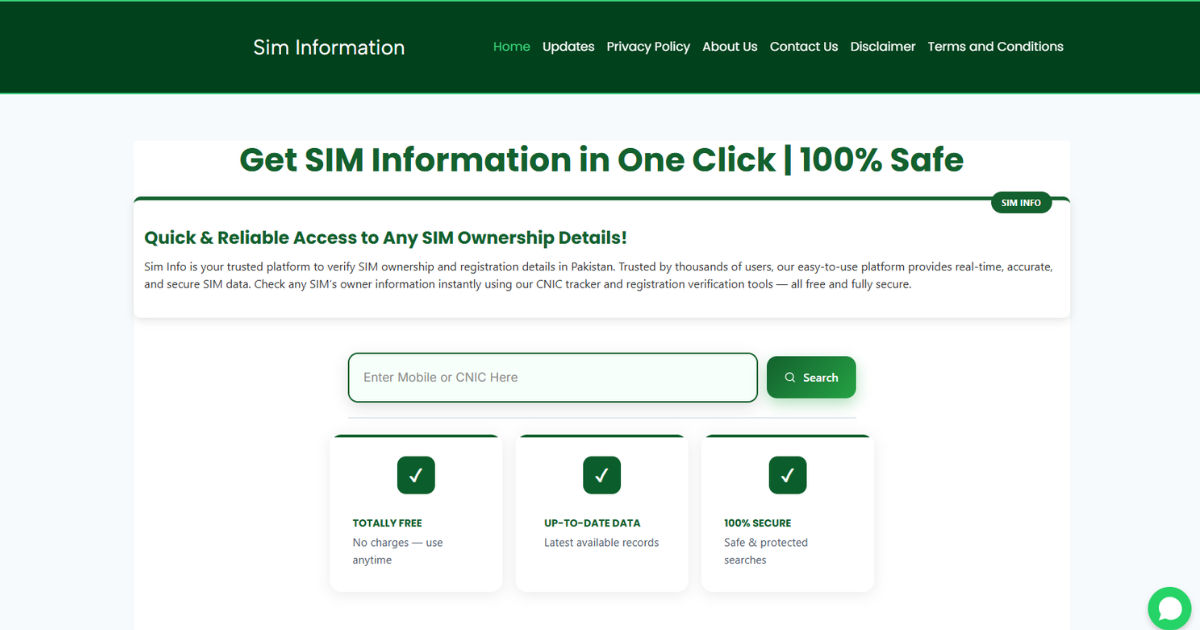
Sim Info mobile verification is a process that helps confirm the authenticity of a mobile number. It allows organizations, apps, and services to validate a user’s identity and protect against fraud. By checking the details associated with a SIM card, Sim Info provides an extra layer of trust and safety in communication and online transactions.
This guide will break down everything you need to know about Sim Info mobile verification, from how it works to its benefits, challenges, and practical uses in daily life.
What is Sim Info?
Sim Info refers to the information stored in a SIM card and the database linked to it. This information typically includes the mobile number, operator, registration details, and sometimes even the identity of the subscriber.
SIM cards, which stand for Subscriber Identity Modules, are small chips inserted into mobile devices to connect them to a mobile network. When a SIM card is registered, the details of the user are recorded in a central database maintained by mobile network providers. Sim Info allows access to this database to verify the legitimacy of the mobile number.
In essence, Sim Info mobile verification is about checking whether a mobile number exists, who it belongs to, and whether it is active. This verification ensures that communication and transactions are conducted safely.
How Sim Info Mobile Verification Works
Understanding how Sim Info mobile verification works involves breaking down the process into simple steps. It relies on both technology and secure databases maintained by mobile operators.
Step 1: User Initiates Verification
When a person wants to verify a mobile number, they typically enter it into a verification system. This could be an app, a website, or a service requiring identity confirmation.
For example, when signing up for a banking app, the user enters their mobile number. At this point, Sim Info begins the verification process to check the validity of that number.
Step 2: System Sends a Verification Request
Once the number is entered, the verification system sends a request to the Sim Info database. This request checks if the number exists, which operator it belongs to, and whether it is currently active.
Some systems use a One-Time Password (OTP) sent via SMS or a verification call to ensure that the person entering the number has access to it. This is a direct way of confirming that the number is not only valid but also in use by the person attempting verification.
Step 3: Database Cross-Checks Information
The Sim Info database cross-references the mobile number with registered data. This includes checking the registration name, address (if available), operator details, and the status of the SIM card.
This step ensures that the number is not fake, deactivated, or used fraudulently. Some advanced verification systems can even flag numbers that have been reported for misuse.
Step 4: Verification Result Delivered
After cross-checking, the system sends a verification result to the requesting service. The result may indicate whether the number is valid, active, or associated with the correct subscriber.
For services like e-commerce, banking, and social media, this verification helps prevent fraud and ensures that the account or transaction is linked to a real person.
Types of Sim Info Verification
There are several types of Sim Info verification used depending on the requirement of the service.
OTP-Based Verification
This is the most common form of mobile verification. A One-Time Password (OTP) is sent to the entered mobile number. The user must enter this OTP to confirm that they have access to the number.
This method is widely used for online accounts, banking apps, and social media platforms. It is simple, quick, and highly effective for immediate verification.
CNIC or Identity Verification
In some countries, mobile operators link SIM cards to government-issued IDs. During Sim Info mobile verification, the system may check the mobile number against the national ID to ensure the subscriber’s identity.
This method provides an extra layer of security and is particularly important in banking, legal, and government services.
Operator-Based Verification
Some services perform verification directly with the mobile operator’s database. This type of Sim Info verification is highly accurate because it accesses official records maintained by the telecom provider.
It can confirm the operator, SIM status, activation date, and even the type of plan linked to the number.
Benefits of Sim Info Mobile Verification
Using Sim Info mobile verification offers several key benefits for both users and businesses.
Enhanced Security
Verification ensures that only the rightful owner of a mobile number can use it for online transactions. This reduces the risk of identity theft, hacking, and unauthorized access.
Fraud Prevention
By checking SIM details against registered information, businesses can detect fake or duplicate numbers. This is especially valuable in financial services, e-commerce, and online marketplaces.
Better Customer Trust
When users know that a service verifies mobile numbers, it increases their confidence in using the platform. Verified numbers mean a safer environment for communication and transactions.
Regulatory Compliance
In many countries, telecom operators are required by law to verify SIM ownership. Using Sim Info helps businesses comply with these regulations, avoiding legal issues and penalties.
Challenges in Sim Info Verification
While Sim Info mobile verification is highly effective, it is not without challenges.
Privacy Concerns
Accessing SIM information raises privacy concerns. Users may be wary of services that request their personal data, including mobile registration details.
Network and Database Issues
Verification relies on telecom databases, which may not always be up-to-date. Some numbers may appear inactive due to delayed updates or network errors, causing verification failures.
Fraudulent SIMs
Some criminals use fake or cloned SIM cards to bypass verification. While advanced Sim Info systems can detect many fraudulent cases, sophisticated scams may still succeed.
Dependence on OTP Delivery
OTP verification depends on network availability. In areas with poor coverage or during network outages, users may face delays in receiving OTPs, causing frustration.
Real-World Applications of Sim Info Verification
Sim Info mobile verification is used in a variety of industries and daily applications.
Banking and Finance
Banks and payment apps use mobile verification to authenticate users before processing transactions. This reduces fraud and ensures compliance with KYC (Know Your Customer) regulations.
E-Commerce
Online shopping platforms use Sim Info to verify users before allowing account creation or purchase. This prevents fake accounts and fraudulent transactions.
Social Media Platforms
Social media platforms verify mobile numbers to ensure that each account belongs to a real person. Verified numbers reduce spam, bot activity, and fake profiles.
Government Services
Government portals often require mobile verification to provide services such as tax filing, utility payments, and emergency notifications. This ensures that the right citizen is accessing sensitive information.
Communication Apps
Apps like messaging and calling services use Sim Info to confirm that users are real, preventing impersonation and misuse of accounts.
Best Practices for Using Sim Info Verification
To maximize the effectiveness of Sim Info mobile verification, both users and businesses should follow certain best practices.
Keep Personal Information Updated
Ensure that your mobile registration details are accurate and up-to-date. This helps verification systems confirm your identity without errors.
Use Verified Platforms
Always use trusted apps and websites for transactions and communication. Verified platforms are more likely to handle your Sim Info securely.
Protect Your OTPs
Never share OTPs with anyone, even if they claim to be from the service provider. OTPs are confidential and are key to mobile verification.
Monitor SIM Activity
Be alert for unusual SIM activity, such as unexpected deactivation or calls from unknown numbers. Promptly report suspicious activity to your telecom provider.
Future of Sim Info Verification
As technology advances, Sim Info mobile verification is likely to become even more sophisticated. Emerging trends include:
Biometric Integration
Combining SIM verification with biometric authentication, such as fingerprints or facial recognition, can provide a higher level of security.
AI-Based Fraud Detection
Artificial intelligence can analyze patterns in SIM registration and usage to detect fraudulent activity in real-time.
Blockchain Technology
Blockchain could provide secure, decentralized verification of mobile numbers, reducing reliance on centralized databases and improving transparency.
Global SIM Verification
With increasing international communication, cross-border SIM verification may become more common, allowing verification of mobile numbers across different countries and networks.
Conclusion
Sim Info mobile verification plays a crucial role in today’s connected world. By ensuring that mobile numbers are valid, active, and properly registered, it protects users from fraud, builds trust, and supports secure communication.
The verification process involves multiple steps, including OTP delivery, database cross-checking, and sometimes identity verification. While there are challenges, such as privacy concerns and network dependency, the benefits far outweigh the drawbacks.
From banking to e-commerce, social media to government services, Sim Info ensures that mobile numbers are trustworthy and secure. As technology evolves, mobile verification will become even more reliable, integrating advanced security measures and innovative tools to protect users worldwide.
For anyone using mobile services today, understanding Sim Info verification is essential. It is not just a technical process but a vital safeguard that keeps personal information safe and communication reliable.