In the digital era, blogging has become more than just a hobby—it’s a platform for expressing ideas, sharing knowledge, and even building businesses. One tool that every blogger should embrace is a rich text editor online.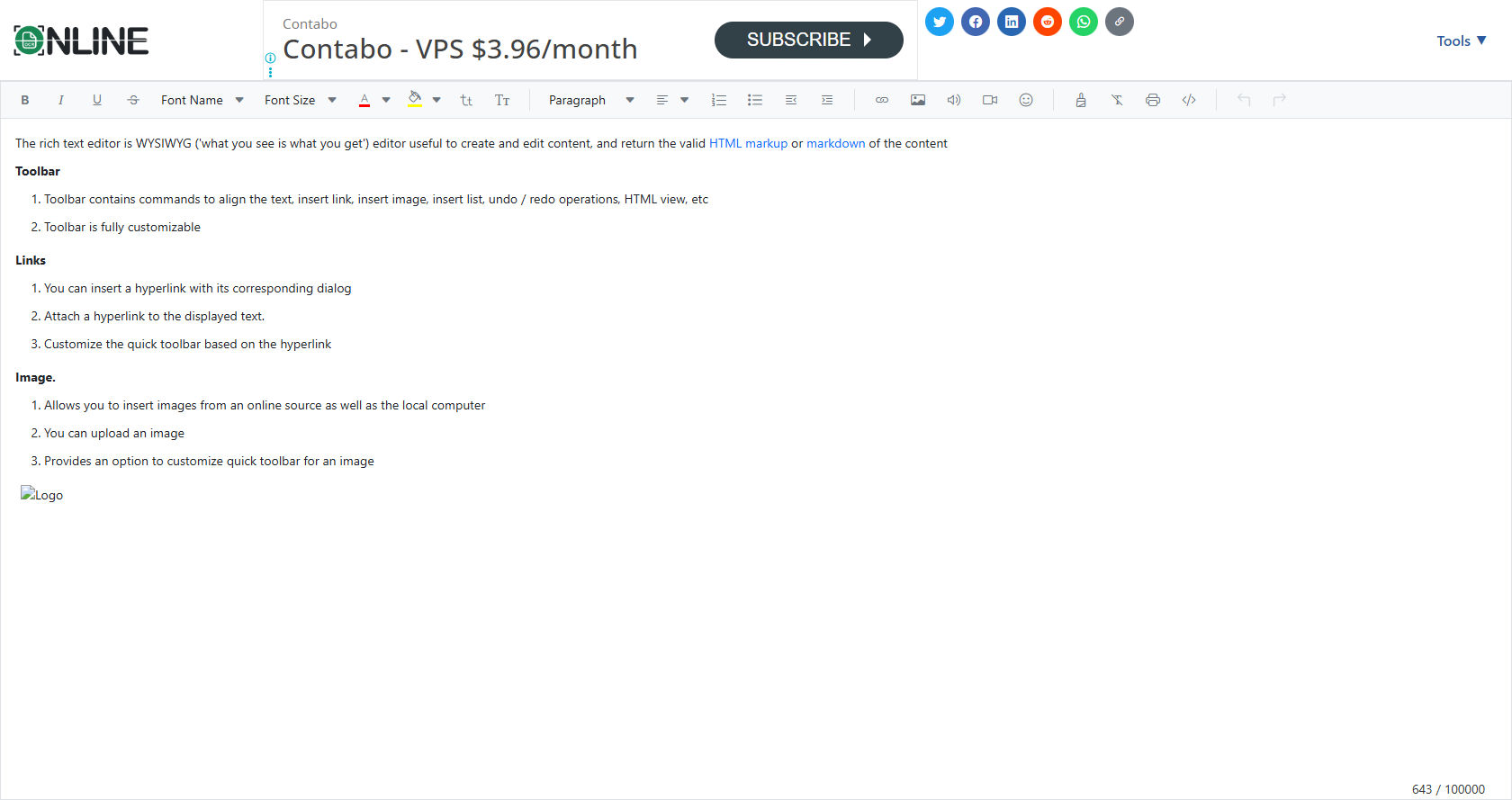
Unlike plain text editors, a rich text editor online offers advanced features that make writing, formatting, and publishing content much easier. From inserting images to customizing fonts, these editors transform a simple blog post into an engaging piece that captures readers’ attention.
Using a rich text editor online can save time, improve content quality, and enhance user experience. In this guide, we will explore why bloggers need this tool, its features, benefits, and how to choose the right one for your needs.
What is a Rich Text Editor Online?
A rich text editor online is a web-based tool that allows users to create, edit, and format text content without requiring knowledge of coding or HTML. Unlike plain text editors, which only handle raw text, rich text editors let you add styling, links, tables, images, videos, and other multimedia elements.
For bloggers, this means you can write directly in a tool that shows you exactly how your content will appear to readers. It bridges the gap between content creation and content presentation.
Features of Rich Text Editor Online
A rich text editor online typically includes several essential features:
-
Text formatting: Bold, italics, underline, strikethrough, and color options.
-
Paragraph alignment: Left, center, right, or justified alignment.
-
Lists: Ordered and unordered lists for better content organization.
-
Hyperlink integration: Easily add clickable links to your content.
-
Multimedia support: Embed images, videos, and audio files.
-
Tables and charts: Organize data neatly without coding.
-
Undo/redo options: Correct mistakes quickly without losing work.
-
Custom styles: Predefined templates or user-created styles for consistent formatting.
These features make the rich text editor online an indispensable tool for any blogger who wants professional-looking posts without spending hours on manual formatting.
Advantages of Using a Rich Text Editor Online
Using a rich text editor online comes with many advantages, particularly for bloggers who want to improve their content creation process.
1. User-Friendly Interface
One of the main benefits of a rich text editor online is its intuitive interface. You don’t need to know HTML or CSS to create attractive blog posts. The toolbar, menus, and drag-and-drop features make formatting as simple as using a word processor. This accessibility allows bloggers of all skill levels to focus on content quality rather than technical issues.
2. Saves Time
Manually coding a blog post in HTML can be time-consuming and prone to errors. A rich text editor online streamlines the process by allowing you to format text, add media, and create links in real-time. This efficiency is particularly valuable for bloggers who publish frequently or maintain multiple blogs.
3. Enhances Creativity
With built-in features like image embedding, video insertion, and customizable fonts, a rich text editor online allows bloggers to unleash their creativity. You can experiment with layouts, styles, and multimedia elements without worrying about technical constraints. This flexibility often results in more engaging and visually appealing content.
4. Improves Consistency
Maintaining a consistent look and feel across all blog posts is important for brand identity. Many rich text editor online platforms provide templates or style guides, ensuring that headings, fonts, and colors remain uniform. Consistency improves readability and builds a professional appearance for your blog.
5. Real-Time Collaboration
Some modern rich text editor online tools offer real-time collaboration features. Multiple users can edit a single post simultaneously, leave comments, and track changes. This is particularly useful for teams of bloggers, content marketers, or guest contributors working together.
6. SEO-Friendly Options
Many rich text editors online include SEO features like meta descriptions, headings hierarchy, and alt text for images. This ensures that your content is optimized for search engines right from the editor, saving additional effort in SEO management.
How to Choose the Right Rich Text Editor Online
Selecting the right rich text editor online can make a significant difference in your blogging experience. Here are key factors to consider:
1. Ease of Use
The editor should be intuitive, with a clean interface and easy-to-understand tools. Beginners should not feel overwhelmed by unnecessary options, while advanced users should have access to customization features.
2. Compatibility
Make sure the editor integrates well with your blogging platform. Whether you use WordPress, Blogger, or Medium, a compatible rich text editor online will ensure smooth content transfer and formatting.
3. Features
List the features you need the most. If you frequently include multimedia, look for an editor that supports images, videos, and audio files. If collaboration is important, prioritize real-time editing and commenting capabilities.
4. Performance
The editor should be fast, responsive, and capable of handling large blog posts without lagging. A slow or buggy editor can disrupt your workflow and cause frustration.
5. Security
For online editors, security is crucial. Look for tools that offer secure cloud storage, encryption, and reliable backup options to prevent data loss.
6. Pricing
Many rich text editor online tools are free, while others offer premium plans with advanced features. Evaluate your needs and budget to choose the most cost-effective solution.
Popular Rich Text Editor Online Tools for Bloggers
There are several popular rich text editor online tools that bloggers can use to enhance their writing experience:
-
TinyMCE: A widely used open-source editor with extensive customization options.
-
CKEditor: Known for its modern interface and robust multimedia support.
-
Quill: Lightweight, fast, and ideal for integrating with web applications.
-
Froala: Offers drag-and-drop functionality and a user-friendly experience.
-
Medium Editor: Perfect for bloggers who want simplicity and minimalism.
Each of these editors has unique strengths, so the choice depends on the blogger’s priorities, such as simplicity, features, or performance.
Best Practices for Using a Rich Text Editor Online
Using a rich text editor online effectively requires more than just knowing its features. Here are some best practices to enhance your blogging workflow:
1. Plan Your Content
Before starting, outline your blog post. Decide on headings, subheadings, and the flow of information. A structured approach makes formatting easier when using the rich text editor online.
2. Use Styles Consistently
Most editors allow you to define heading styles, fonts, and colors. Use them consistently to create a professional appearance and improve readability.
3. Optimize Multimedia
Images and videos should be optimized for web use to prevent slow loading times. Most rich text editor online tools allow you to adjust sizes and compression without leaving the platform.
4. Check Links and References
Always test hyperlinks and embedded content. A rich text editor online can preview these elements, but manual verification ensures everything works correctly.
5. Preview Before Publishing
Before going live, use the editor’s preview feature to see how your post will appear on different devices. This step helps identify formatting issues or visual inconsistencies.
6. Backup Your Work
Although many editors auto-save, keeping an additional copy of your content ensures safety in case of unexpected technical issues.
Challenges of Using a Rich Text Editor Online
While rich text editor online tools offer many benefits, there are some challenges to consider:
1. Limited Customization
Some online editors may not offer full control over CSS or HTML, which can be a limitation for bloggers with specific design requirements.
2. Dependency on Internet
Since these editors are web-based, a stable internet connection is necessary. Offline access might be limited or unavailable.
3. Compatibility Issues
Certain features might not work perfectly when transferring content between different platforms, leading to minor formatting adjustments.
4. Learning Curve
While most editors are user-friendly, advanced features may require time to learn, especially for beginners who are new to multimedia content integration.
Future of Rich Text Editor Online
The future of rich text editor online looks promising. With AI-driven writing assistants, automated formatting, and seamless integration with content management systems, these editors are evolving into full-fledged content creation platforms.
Bloggers can expect tools that not only help with formatting but also suggest improvements, optimize content for SEO, and provide real-time analytics. The combination of rich editing features and AI assistance will further streamline content creation and enhance productivity.
Conclusion
A rich text editor online is no longer just a luxury—it’s an essential tool for modern bloggers. From enhancing creativity and ensuring consistency to saving time and improving collaboration, these editors significantly improve the blogging process.
Choosing the right editor involves considering ease of use, compatibility, features, performance, and security. By following best practices, bloggers can maximize the benefits of a rich text editor online, producing engaging, professional, and reader-friendly content.
As blogging continues to grow, embracing technology like a rich text editor online ensures your content remains competitive, visually appealing, and effective in reaching your audience.
In summary, if you want to write smarter, publish faster, and create content that stands out, a rich text editor online is an indispensable asset for any blogger today.